Stormartillerivagn M/43 (1944)
 Swedish Self-propelled Gun, 36 built
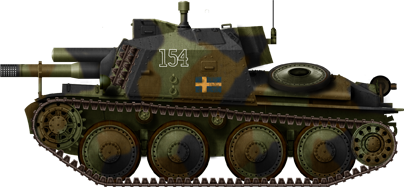
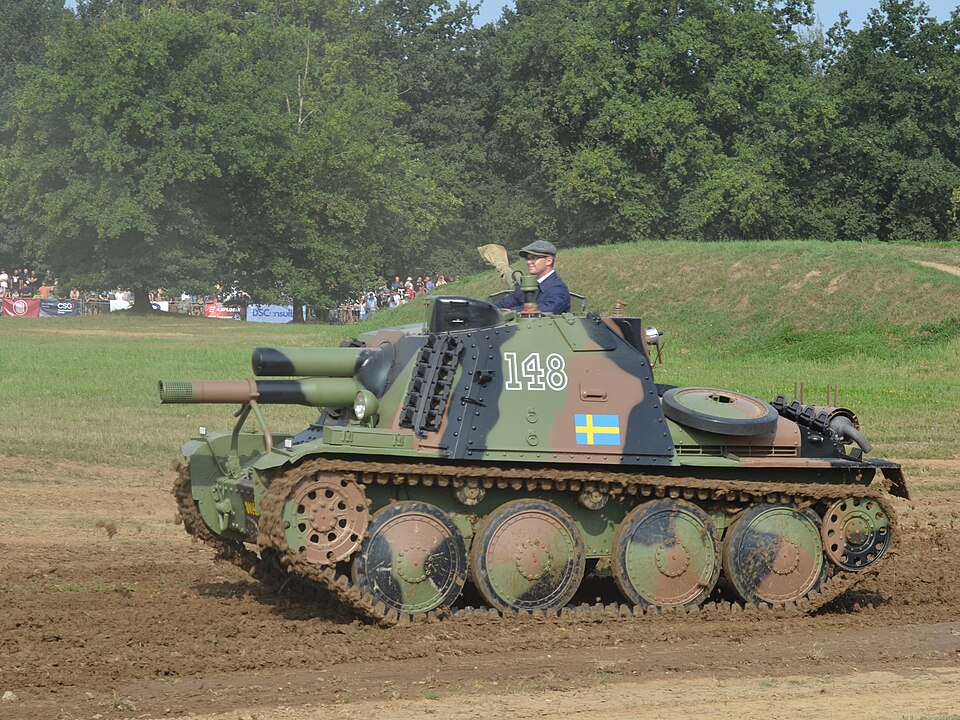
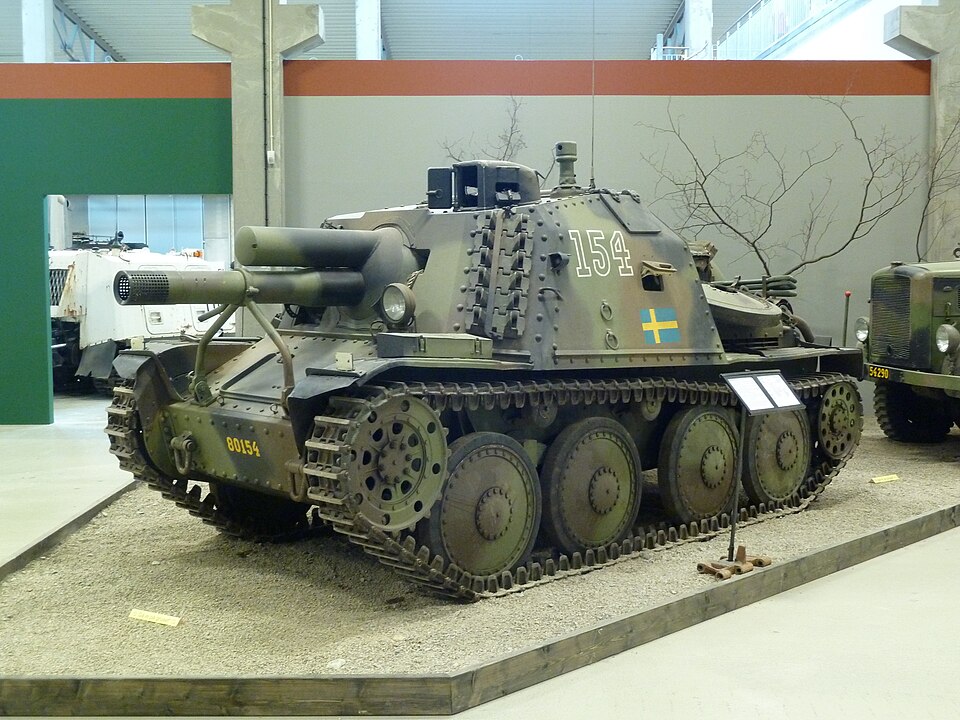
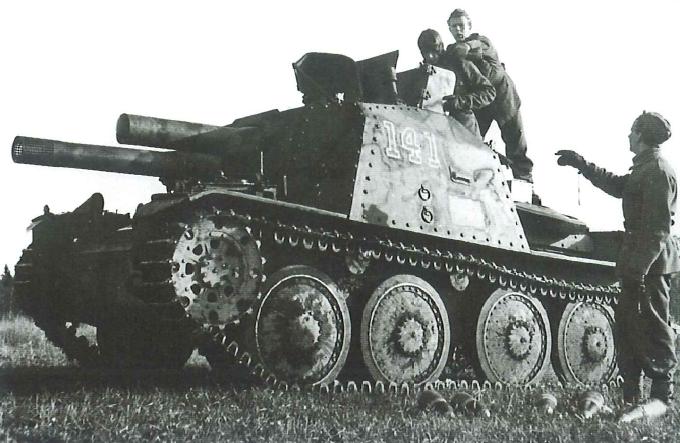
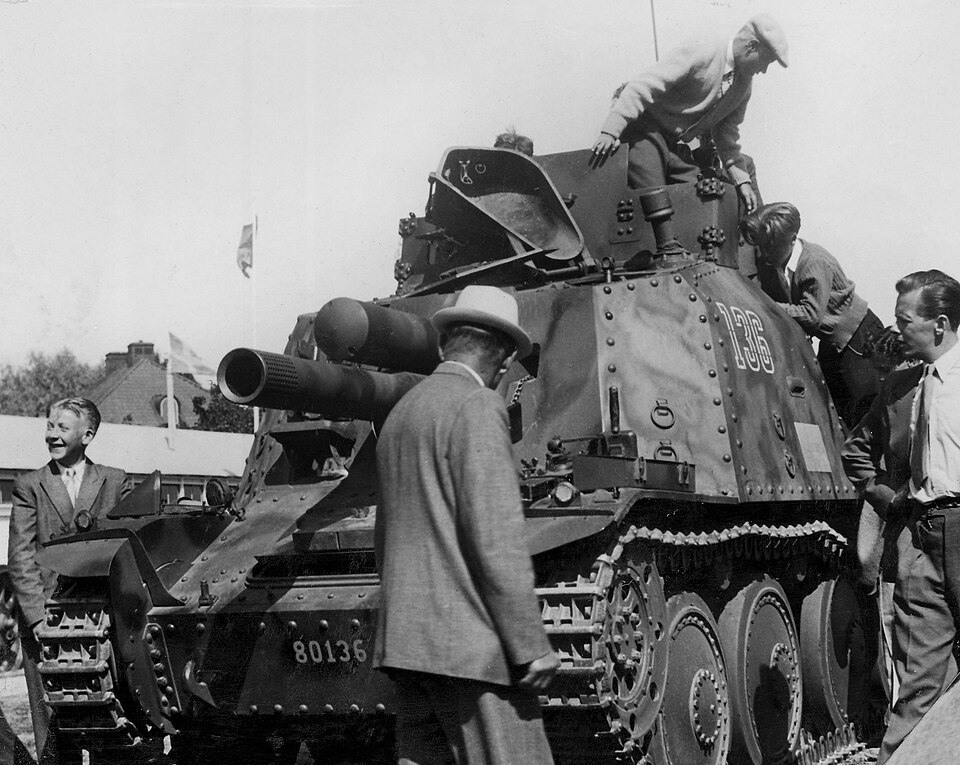
The m/43 was built on a light tank chassis (Vz.38, stridsvagn m/41) for infantry support and anti-fortification roles, but the intended howitzer was not ready when introduced in 1944 so the first 18 had an older 75 mm gun, later upgraded to the more powerful 105 mm howitzer planned postwar. Though not heavily armored compared to larger wartime SPGs it was very mobile and effective in its intended support role. It never saw combat but remained in service for decades afterwards, modernized in the 1950s, remaining practical and reliable until replaced from 1973, nearly 30 years later long after its inspirator, the German Sturmgeschütz III, with low-profile and firepower over the advantages of a turret. It made sense in Swedish doctrine as shown by the Strv-103 main battle tank.
Development

After the Chief of the Army ordered the adoption of assault artillery in Swedish defense on September 27, 1941, a team was aseembled to find a solution and find both a relevant ordnance, and find a chassis, then design a fixed superstructure on top. Any chassis could be used, provided it was not overwhelmed by the weight of the gun and mount and this arrengement enabled larger caliber and adding extra room for the larger ammunition handling. Overall cost was also lower and delivery shorter. In Germany STUGs showed the way forward.
First tests were performed with a 7.5 cm cannon m/40 and based on the Strv m/38 chassis to built the so-called “62” prototype in ealry 1942. Test firings were carried out, showing a positive outcome. Plus it enable the possibility to recycle still valuabled older 10-ton tanks. Other chassis alternatives from Landsverk were studied like the one used for AA gun variant, but it was deemed unable to handle more armour thickness. The “Terro” chassis when adapted had a total weight of up to 15 tons. The “Lago” chassis was modified to take on the existing 7.5 cm long-barreled gun (L/50) for winter tests in January 1943 compared to the “62”, both tested at A6. The first was also rearmed with the older 7.5 cm gun m/02. A new 105mm gun was studied from 1942. A wooden prototype mochup based on the Strv m/41 was tested from Jan-Feb 1943 and by March officially adopted. An order was placed with Scania-Vabis for a final prototype.
When the prototype was delivered in August it was called the "Pav m/43", when starting a firing and loading tests, resulting in more armament proposals, submitted by Bofors. Decision was made to go up in calibre and manufacture a completely new 10.5 cm gun, with a barrel length of 21 caliber. In parallel, the “62” tested a 15 cm recoilless system as the fm/43. The ministry appointed a committee to investigate the final vehicle, and placed an order on the Strv m/41 chassis. It was decided, since the new gun was still on the drwaing board, to go for the 7.5 cm gun m/02 and replaced it asap with the new 10.5 cm gun m/44. Contract was single in March 1944 with Scania-Vabis, to be delivered at their Södertälje facility. It was for this order to stop the order of 122 Strv m/41 SII in June 1942 (104 delivered) to make room for 18 of the new vehicle, which became eventually the Stormartillerivagn m/43.
Training started at Bergslagen Artilleriregemente A9 in Kristinehamn, Lt. Colonel Karl Ångström which created the unit and wrote the book on its use and tactics. By April 1944 eight turretless tanks m/41 from P3 were borrowed to start training with dummy casemates. Final delivery was delayed, from November 1944, to January 1945.
The Stormartillerivagn m/43 (sav m/43) was a Swedish self-propelled howitzer usable both for indirect and direct fire support for infantry. It reused the chassis of the stridsvagn m/41, itself based on the excellent Czech Lt.vz.38. Original designation was pansarartillerivagn m/43, changed to "stormartillerivagn" (assault artillery vehicle) before entering service in 1944 for a development started in 1942 to provide the Swedish Army an equivaent to the German STUG-III in case of war.
The army ordered 36 of these, enough to fill two battallions. The initial plan was to have it equipped with the new 10.5 cm howitzer, but its development was not complete when the vehicle was ready, so the first 18 were initially armed with a smaller 7.5 cm cannon m/02. The next 18 only were ready by 1946, with the intended 10.5 cm L/21 m/44 Sav howitzer. The first 18 were rearmed in turn in 1946. The Sav m/43 remained in service until 1973, replaced by the Stridsvagn 74.
On tank encyclopedia
Design of the Stormartillerivagn M/43 (1944)
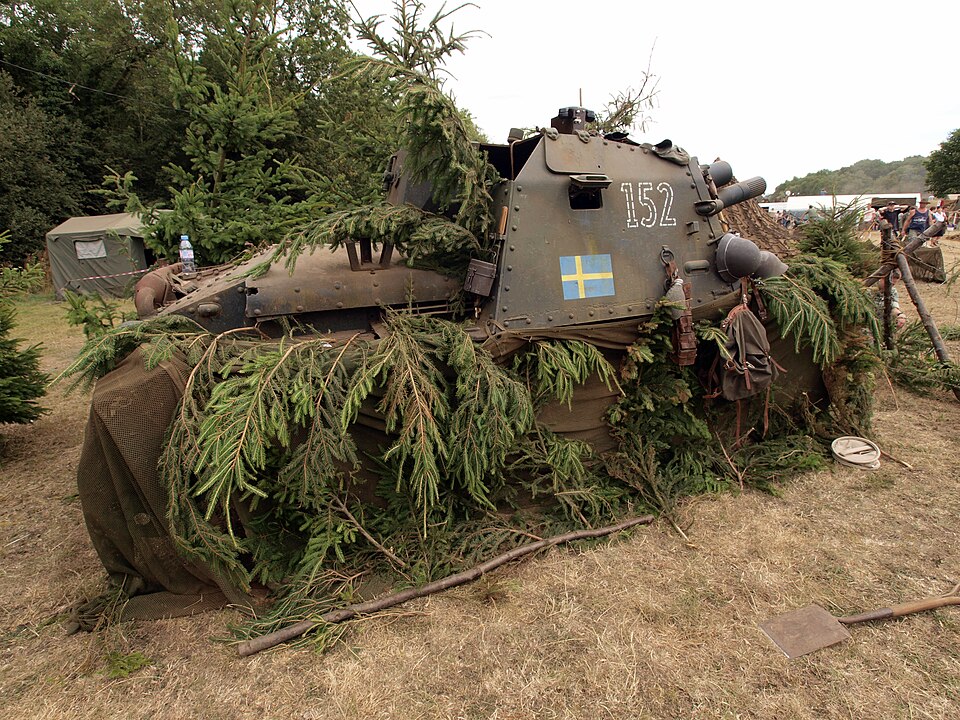
 The vehicle was basically a stridsvagn m/41 so no need to detail it more, but the chassis sow the removal of the whole upper section, with the upper casemate and turret, pannier and instead a wide casemate was installed, with sloped sides, and front. On the roof was mounted a pair of hatches, witg folding structure to protect the captain in observation, but there was both a forward casemate with shutters and a periscope usable as range finder for the gunner.
A radio clas located on an external pannier on the rear casemate panel. There were extra access hatches on both side slopes and extra shutters on the vertical walls, plus atachement points for spare track links on the forward three-faceted side plate. See the armour details below. Apart the main gun, there was no other fixed armament but the crew's own personal weapon. In any case, the vehicle was design to operate closely with infantry.
10.5 cm L/21 m/44 Sav

10.5 cm L/21 m/44 Sav primarily fired high-explosive grenades but could also fire a number of different cartridges for anti-tank use:
-Tracer light armor-piercing grenade m/39: approx. 90 mm penetration.
-Tracer light armor-piercing grenade m/49: 240 mm penetration.
-Tracer light armor-piercing grenade m/60: 300 mm penetration.
-Tracer light armor-piercing grenade m/65: 350 mm penetration.
-Smoke and light grenades were also available.
Specifications | |
| Dimensions | 5.05m x 2.14m x 2.29 m (16ft 9in x 7ft 2in x 7ft 6in) |
| Weight | 12 tons (12.6t 1962) |
| Crew | 4 (commander, gunner, loader, driver) |
| Propulsion | Scania-Vabis 1664/13 (142 hp), Scania-Vabis 603/2 (162 hp) |
| Top speed | 45 km/h (28 mph) |
| Suspension | Torsion Bars |
| Range | 250 km (155 mi) |
| Armament | 10.5 cm (4.13 in) L/21 m/44 Sav |
| Armor | 15-50 mm (0.59-1.97 in) |
| Production | 36 |
Variants
Pansarartillerivagn m/43 (Pav m/43) 1943
: One built. The prototype of the Sav m/43, armed with a 75 mm Kan m/02.Stormartillerivagn m/43 (Sav m/43) 1944:
18 in service. Early variant of the Sav m/43. Water-cooled Scania-Vabis 603/2 V6 engine, 162 hp, 75 mm Kan m/02.Stormartillerivagn m/43 (Sav m/43) (1946)
36 in service. Standard variant of the Sav m/43. The first 18 were upgraded to the 105 mm L/21 m/44 Sav in 1946.Stormartillerivagn m/43 (Sav m/43) (1962)
The same 36 re-engined with the Scania type 1664/13.Stormartilleripjäs fm/43-44 "Trätoffelvagnen"
The "Motorlavettage 10 ton" prototype based on the Strv m/41 "Trätoffelvagnen" (looked like a wooden shoe). It was created by rebuilding the prototyp with the engine moved forward, fighting compartment aft, and a new, larger superstructure built now for a very large 150 mm recoilless gun or aletrnatively a 75 mm pvkan m/43 for trials. No production was greenlighted.Deployment
After 1949, focus of heavy artillery vehicles was changed. Their task was now to support infantry in direct fire and the 36 vehicles were transferred to infantry brigades and grouped into assault gun platoons, with six each for six infantry brigades based in Norrland. In 1951, responsibility for training and maintenance was now transferred to the "armoured troops" with experienced personel for handling combat vehicles, and having the right workshops and firing range. The ammunition available was initially only armour-piercing and high-explosive but by the end of the 1950s, new "RSV" shells became available with a total of 41 carried inside between ready rounds in the casemate and under the hull's floor, between torsion bar axles.However, with the introduction of the Ikv 102 and Ikv 103 in 1956-1957, the new SPGs were given responsibility of the northern frontier, and instead all Sav m/43s were transferred to six different infantry brigades in Skåne, in the South (rear echelon). They were organized into assault gun companies, but with the same number. It was decided to modernize also the Pvkv m/43. They were to be re-engined in the early 1960s. The old Scania-Vabis type 603/2 was replaced by a 20 hp weaker Scania engine 1664/13, also used on the Strv m/41 SI. Its exhaust was on the right side, silencer turned around and external accessories moved away. It remained in service until the early 1970s, last retired in 1973, replaced with eleven Strv 74s per assault gun company.
Gallery
Illustrations
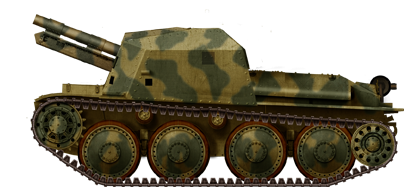
Stormartillerivagn m/43 7.5cm
Stormartillerivagn m/43 10.5cm
Photos
Links
wiki SEen.wikipedia.org
ftr.wot-news.com/
ointres.se/
fromtheswedisharchives.wordpress.com
fromtheswedisharchives.wordpress.com
facebook.com
commons.wikimedia.org
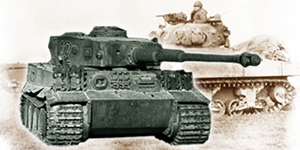
WW2 Tanks


WW2 tanks posters
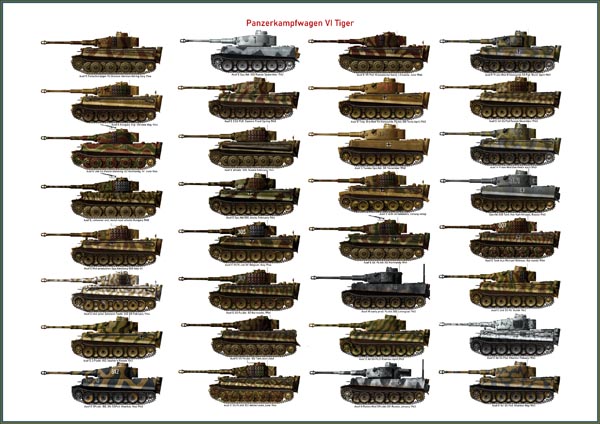
All Tiger tanks liveries.
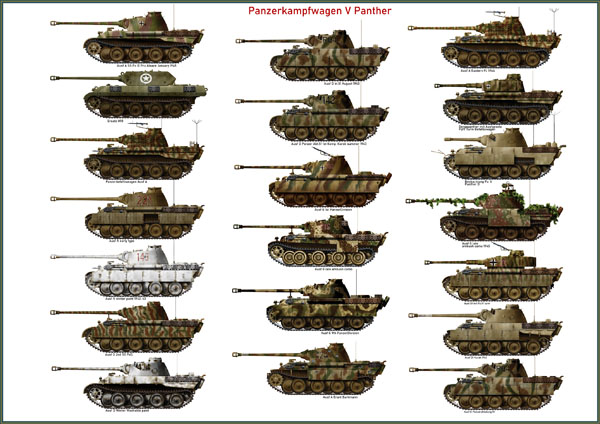
Panther liveries and variants
WW2 Armour - All tanks
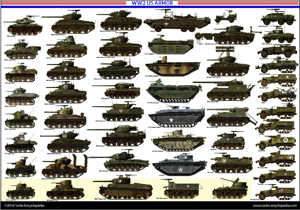
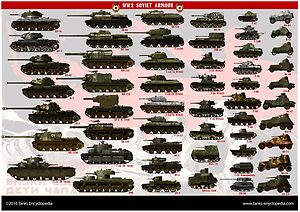
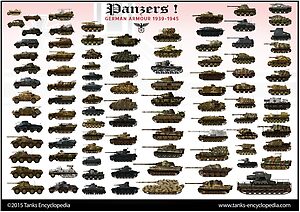
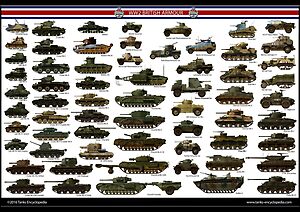
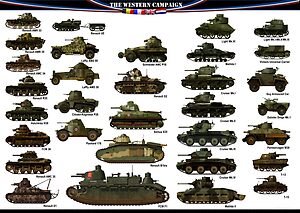
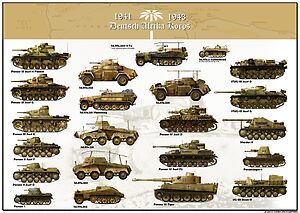

Tanks aces and single tanks series
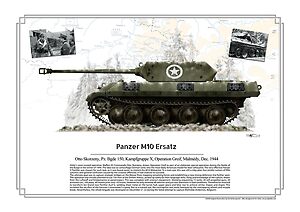
Find more there
Museums, Movies, Books & Games
The Tanks and Armor in pop culture
Tanks and armored vehicles in general are only really grasped when seen first person: The mass, the scale, it's all there. Explore also the way tanks were covered in the movie industry, in books and in video games.Movies:
Best tanks movie on warhistoryonline.com
On imdb.com
On bestsimilar.com/
miltours.com
liveabout.com/
watchmojo.com
Video Games:
pcgamesn.com
historyhit.com
levvvel.com
vg247.com/best-tank-games
mmobomb.com/
alienwarearena.com