Dovunque SPA-35 Blindato (1941)
 Italy (1941-45) APC: 8 built
Design of the SPA-35 Protetto
The base vehicle:
 In 1935 Fiat modified its Fiat Dovunque 33 to remedy the critical issues that emerged during the Ethiopian War. In September the prototype of the new Dovunque was presented at the Motorization Study Center of the Royal Army. The vehicle was received positively and in 1936 Fiat entrusted the production of the SPA Dovunque 35 to one of its subsidiaries. A version with a closed cabin was also acquired by the Regia Aeronautica. The Dovunque 33 was pioneered after the 1931 Fiat Veicoli Industriali developed the Fiat 612 truck, based on the Fiat 611 C (Coloniale) three-axle lorry for colonial, giving birth also to the Fiat 611 armored car.
The Royal Army decided to the 612 as the Dovunque 33, the name "dovunque" (go anywhere) indicated its off-road capabilities. It was deployed with artillery regiments for command and liaison and with the Regia Aeronautica with a 120 mm photoelectric projector for AA batteries. In 1935, 82 were deployed in the Ethiopian War, where mobility was confirmed but the engine proved underpowered, handling difficult. These reports were sent to Fiat, which by September 1935 presented the prototype of a revised version. It was accepted to be produced by the Società Piemontese Automobili (SPA) as the Dovunque 35, replacing the 33.
The Armoured Personal Carrier:
 During the war, the Royal Army was found in general ill-prepared to face modern armoured formations or just high intensity combat, and losses were heavy in North Africa. The most crucial issue was the general lack of motorization, on top of tankettes and light tanks that were less than ideal to face the allies. This lack of motorization led to the disaster of Operation Compass, when large foot infantry batallions and even divisions had been surroudned and captured by the British. It was also later apparent with the lack of anything but towed artillery, leading to self-propelled ordnance of all type based on standard trucks. In the same idea, Italy lacked a proper infantry carrying armoured vehicles like the German SDK.fz.250 and anything resembling the equivalent of panzergrenadier to accompany tank formations.
From memo dated on May, 24, 1941, the idea emerged of a study for an APC based on the Dovunque 35 tactical 6x6 truck which off-road performances had been noted. This was one of numerous proposals for other vehicles, like a tracked equivalent to the Universal carrier, or a half-track. Only on June 3, the Dovunque 35 was validated based on the existing industrial facilities and this concept generated anotehr based on the Fiat 626, which became the Fiat 665NM Autoprotetto APC. Once approved, work on a protototype commenced. Once completed, the open top vehicle, which had its chassis reinforced, especially springs and brakes as well as its electrical fittings changed, was evaluated in the spring 1941 to the Italian high command. Performances were lackluster, and for the weight of its armour, it was just underpowered at 11,70 hp/t. Tests went on until the September 1943 armistice and no order was ever made past the prototype. The idea seemed stillborn.
Specifics:
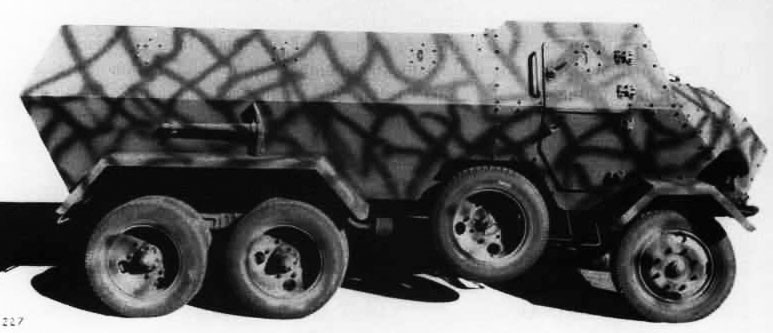
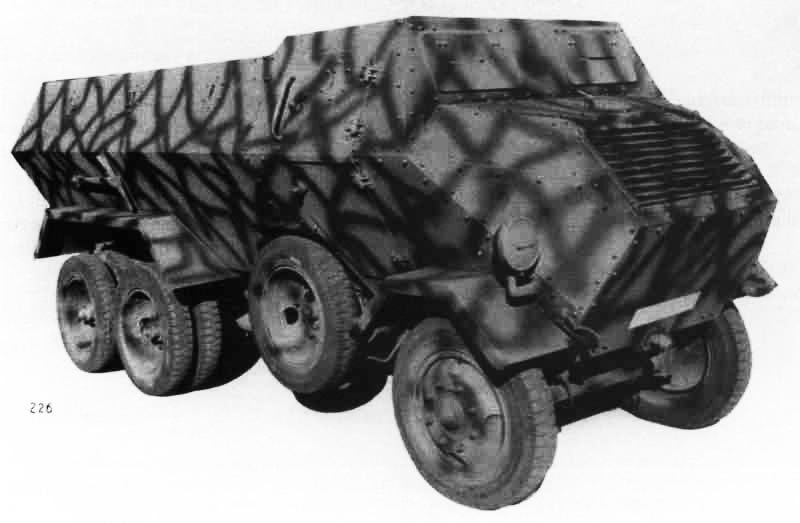
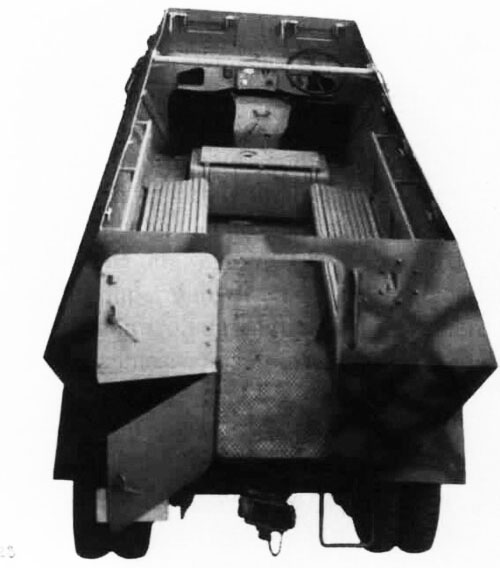
 The Dovunque 35 Blindato (or protetto) appeared well-executed as a design still, using the basic chassis, reinforced as well as all load-bearing parts as seen above, stripped off and wrapped in a brand new sloped armour, with armour plates just 8-10mm thick. The slopes were lateral (upper and lower sides), in front with a short "nose" composed of 7 plates with louvres and access to the radiator, a cab with two doors and two front shutters, and a troop compartment at the rear with benches, with 10 men seated or more and a rear access door. The vehicle was open-top albeit later it would be partially covered by additional hinged plates (Viberti version).
There were three loopholes either side for the infantry to fire through. Tooling was strapped over the rear mudguard. Otherwise, the vehicle shared most of its components with the original truck, including its anemic 18vt 4.053 litre 4-cylinder petrol engine, which produced just 55/56hp at 2000 rpm and a 150 litre fuel tank. As a result, top speed was no more than 45 kph on road trials, 20-25 kph fully laden or less off-road, with a limited torque and perhaps 280 km range on road, and less off road. This was its undoing.
The base vehicle:
In 1935 Fiat modified its Fiat Dovunque 33 to remedy the critical issues that emerged during the Ethiopian War. In September the prototype of the new Dovunque was presented at the Motorization Study Center of the Royal Army. The vehicle was received positively and in 1936 Fiat entrusted the production of the SPA Dovunque 35 to one of its subsidiaries. A version with a closed cabin was also acquired by the Regia Aeronautica. The Dovunque 33 was pioneered after the 1931 Fiat Veicoli Industriali developed the Fiat 612 truck, based on the Fiat 611 C (Coloniale) three-axle lorry for colonial, giving birth also to the Fiat 611 armored car.
The Royal Army decided to the 612 as the Dovunque 33, the name "dovunque" (go anywhere) indicated its off-road capabilities. It was deployed with artillery regiments for command and liaison and with the Regia Aeronautica with a 120 mm photoelectric projector for AA batteries. In 1935, 82 were deployed in the Ethiopian War, where mobility was confirmed but the engine proved underpowered, handling difficult. These reports were sent to Fiat, which by September 1935 presented the prototype of a revised version. It was accepted to be produced by the Società Piemontese Automobili (SPA) as the Dovunque 35, replacing the 33.
The Armoured Personal Carrier:
During the war, the Royal Army was found in general ill-prepared to face modern armoured formations or just high intensity combat, and losses were heavy in North Africa. The most crucial issue was the general lack of motorization, on top of tankettes and light tanks that were less than ideal to face the allies. This lack of motorization led to the disaster of Operation Compass, when large foot infantry batallions and even divisions had been surroudned and captured by the British. It was also later apparent with the lack of anything but towed artillery, leading to self-propelled ordnance of all type based on standard trucks. In the same idea, Italy lacked a proper infantry carrying armoured vehicles like the German SDK.fz.250 and anything resembling the equivalent of panzergrenadier to accompany tank formations.
From memo dated on May, 24, 1941, the idea emerged of a study for an APC based on the Dovunque 35 tactical 6x6 truck which off-road performances had been noted. This was one of numerous proposals for other vehicles, like a tracked equivalent to the Universal carrier, or a half-track. Only on June 3, the Dovunque 35 was validated based on the existing industrial facilities and this concept generated anotehr based on the Fiat 626, which became the Fiat 665NM Autoprotetto APC. Once approved, work on a protototype commenced. Once completed, the open top vehicle, which had its chassis reinforced, especially springs and brakes as well as its electrical fittings changed, was evaluated in the spring 1941 to the Italian high command. Performances were lackluster, and for the weight of its armour, it was just underpowered at 11,70 hp/t. Tests went on until the September 1943 armistice and no order was ever made past the prototype. The idea seemed stillborn.
Specifics:
The Dovunque 35 Blindato (or protetto) appeared well-executed as a design still, using the basic chassis, reinforced as well as all load-bearing parts as seen above, stripped off and wrapped in a brand new sloped armour, with armour plates just 8-10mm thick. The slopes were lateral (upper and lower sides), in front with a short "nose" composed of 7 plates with louvres and access to the radiator, a cab with two doors and two front shutters, and a troop compartment at the rear with benches, with 10 men seated or more and a rear access door. The vehicle was open-top albeit later it would be partially covered by additional hinged plates (Viberti version).
There were three loopholes either side for the infantry to fire through. Tooling was strapped over the rear mudguard. Otherwise, the vehicle shared most of its components with the original truck, including its anemic 18vt 4.053 litre 4-cylinder petrol engine, which produced just 55/56hp at 2000 rpm and a 150 litre fuel tank. As a result, top speed was no more than 45 kph on road trials, 20-25 kph fully laden or less off-road, with a limited torque and perhaps 280 km range on road, and less off road. This was its undoing.
Dovunque specifications | |
| Dimensions (L-W-H) | 5.30 x 2 x 2.35 m (17 ft 5 in x 6 ft 7 in x 7 ft 9 in) |
| Total weight | 4,700 kg (10,400 lb) |
| Crew | 2+10 |
| Propulsion | 18T gas., 4-cyl. 4053 cm³: 55 hp (41 kW) |
| Speed (road) | 45 hph |
| Range (road) | 285 km (177 mi) |
| Armament | 8mm Fiat-Revelli Mod.14/35 |
| Armor | 10 mm (4 in) front, 8 mm (3 in) side and rear |
| Total production | 8 (+ prototype), disputed |
Fate:
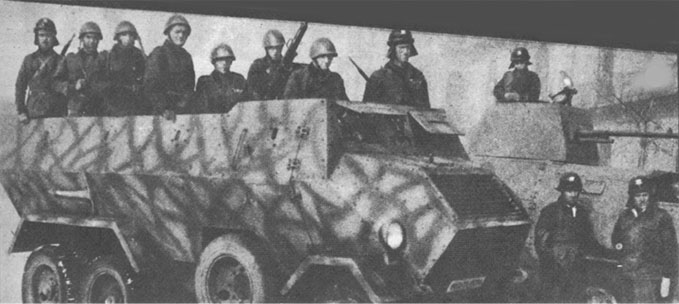
Being too heavy for its original engine, and unwieldy, this FIAT APC never passed the prototype phase, albeit the prototype was still being improved on 22 September. After the armistice its fate seems murky, however most sources agree that the project and prototype went to Viberti instead, or to be exact in the Ist Brigata Nera Ather Capelli Turin by November 1944 showed used in anti-communist actions by April. In between Viberti worked on improving the design and since urban combat was part of anti-partisan activity, a few vehicles were converted, this time with the roof covered.
Now called "Autotrasporto blindato SPA Dov.35", a serie of eight was under conversion at its workshop when the war ended there in April 1945, with three completed and used by the Repubblica Sociale Italiana (RSI) and the remainder four in various degree of completion. One had been destroyed by a panzerfaust belonging to a 29th SS Division infantrymen on the Via Lorenzo Delleani.

The original SPA-35 truck for comparison
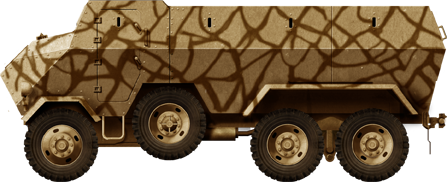
Dovunque SPA-35 blindato, original late 1941 FIAT prototype.

Viberti Autotrasporto blindato SPA Dov.35 1944 design, fully covered

Sources
Pignato, Nicola; Cappellano, Filippo. Gli Autoveicoli da combattimento dell' Esercito Italiano. Stato Maggiore dell'Esercito.Crippa, Paolo (2006). I reparti corazzati della Repubblica Sociale Italiana 1943/1945. Marvia Edizioni.
I reparti corazzati della Repubblica Sociale Italiana 1943/1945, Marvia Edizioni, Paolo Crippa, 2006
en.wikipedia.org
it.wikipedia.org
italie1935-45.com
WW2 Tanks


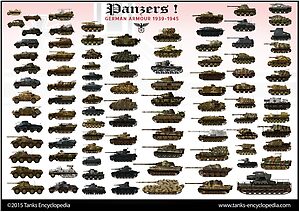
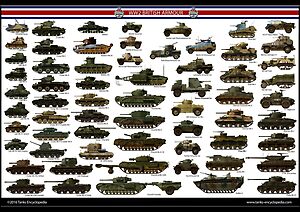
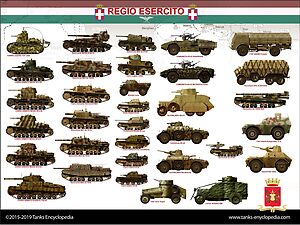
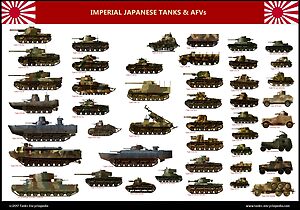
WW2 tanks posters
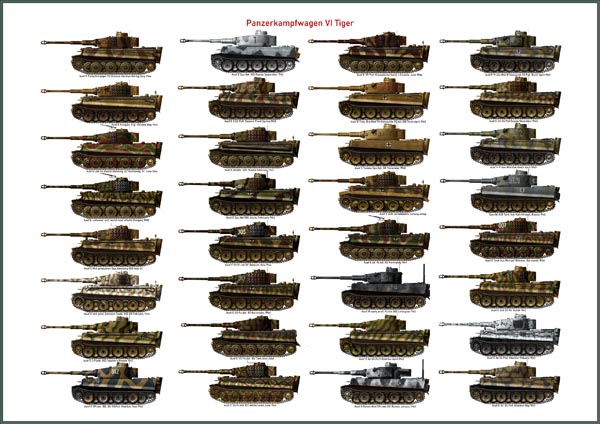
All Tiger tanks liveries.
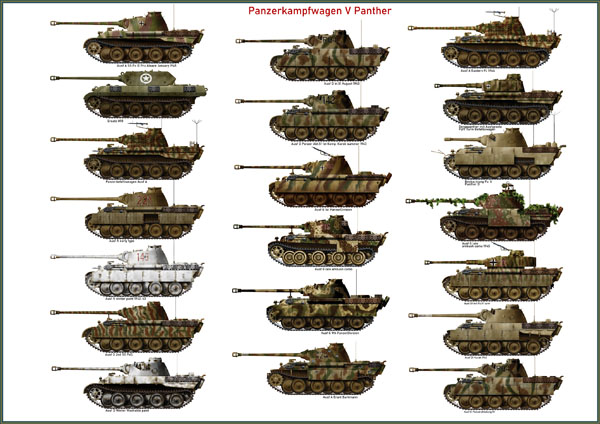
Panther liveries and variants
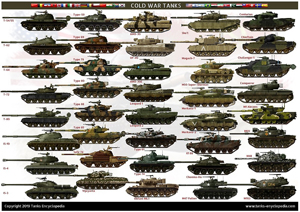
WW2 Armour - All tanks
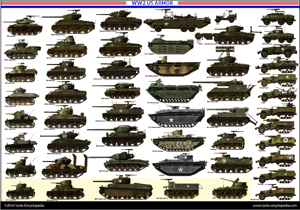
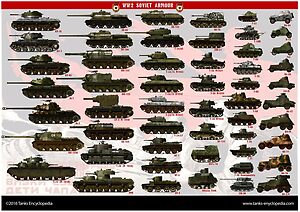

Tanks aces and single tanks series
Find more there
Museums, Movies, Books & Games
The Tanks and Armor in pop culture
Tanks and armored vehicles in general are only really grasped when seen first person: The mass, the scale, it's all there. Explore also the way tanks were covered in the movie industry, in books and in video games.Movies:
Best tanks movie on warhistoryonline.com
On imdb.com
On bestsimilar.com/
miltours.com
liveabout.com/
watchmojo.com
Video Games:
pcgamesn.com
historyhit.com
levvvel.com
vg247.com/best-tank-games
mmobomb.com/
alienwarearena.com