Type 91/95 heavy Tank
 Heavy Tank Prototypes, 5, 1935
Type 91

The type 91 on trials, src unknown, pinterest
The first prototype of what was too large to remain a medium, and became a heavy tank was the 1931 Type 91. At 18-ton it had a 6-cylinder BMW IV inline gasoline engine and three 3 turrets, a main, axial one with a 57 mm (2.24 in) cannon for fortification busting work, and two secondary forward and rear turrets with 6.5 mm (0.26 in) MGs to deal infantry. Armour protection was sitll light, from 8mm to 17 mm frontally. It had a rather complicated suspension with two pairs of road wheels per leaf-sprung bogie for 34 road wheels total. This Swing arm suspension might have been inspired by motorcycles. Trials showed a rather unsuccessful vehicle, so the project was canceled.
Type 95
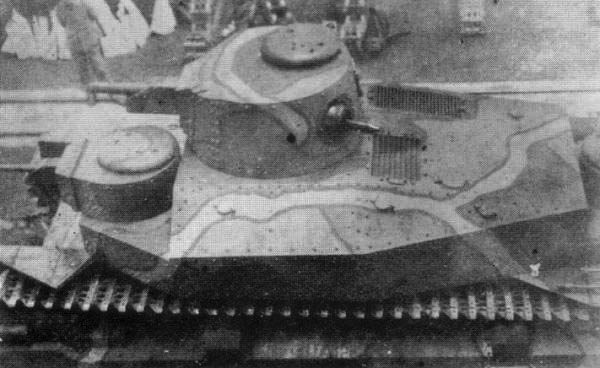
Four years later a rather similar, but improved "heavy tank" was designed, which sported this time a morepotent Type 94 7cm tank gun in the axial turret, to deal with other tanks as well as fortified positions, also seconded by two smaller turrets. Except this time the forward one hosted a Type 94 37mm (3.7cm) cannon mostly intended to deal with other armoured vehicles. Only the third, rear turret had a 6.5mm machine gun.
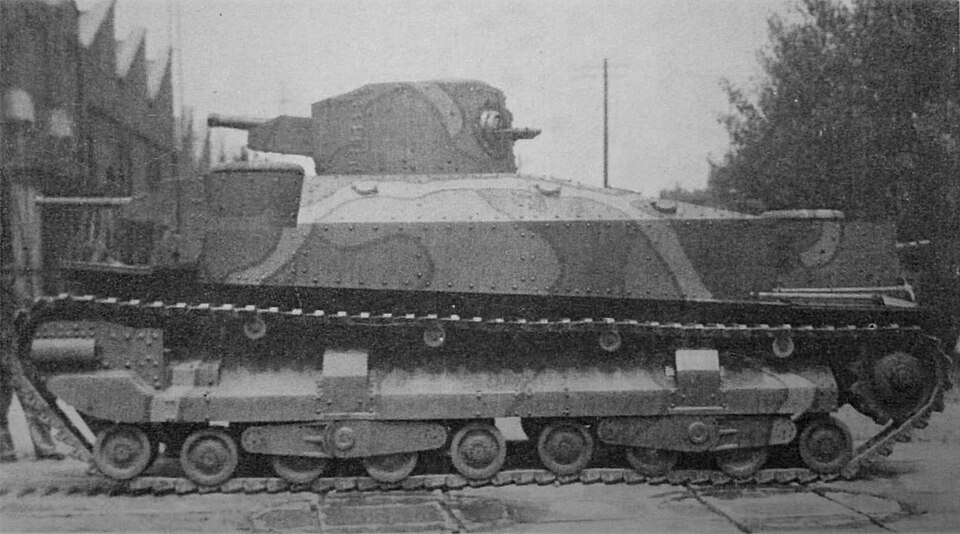
Type 95 on trials, showing its peculiar suspension (pinterest)
The 7cm gun was short-barreled, low velocity, and aside its usual Type 92 HE (High-Explosive) it could fire the Type 95 AP (Armor-Piercing). The Type 94 37mm cannon was the same as on the contemporary Type 95 Ha-Go light tank. It could defeat 36 mm (1.4 in) flat steel plating at 275 m. Tials in 1935, showed it performed better than the Type 91. However it was a pure "infantry tank", slow and ponderous, and still lacked adequate protection even if its main armament was better overall. "Production" was limited to three more Type 95. In between the IJA changed its doctrine on tanks and favore lightining strikes, high-speed light tanks. It was the Type 95 Ha-Go that obtained full proiority and production ran straight until 1945. It became the standard tank on all fronts from China to the Pacific.
The Type 95 heavy tank was cancelled after one prototype and three pre-production vehicles in 1934. In addition of being too slow and underpowered, its protection was lacking when it was tall and made a tempting target. Also extensive trials showed the multi-turret design looked good on paper but was not realistic in operation. It's well possible that one of these took part in the grand Imperial parade in Tokyo in 1935 and became part of the Yasukuni Military Exposition. This lined of development never disappeared and led to the O-I Super Heavy Tank. One of these survived at Chiba as training vehicle until 1945, likel scrapped aftwards.
The chassis was not lost and it took engineers much later towards two self propeller guns, the Ji-Ro/Ji-Ro Sha and the Hi-Ro-Sha, Tank Destroyers. The first mounted the Type 14 105mm Gun and as an open top vehicle had its gun placed forward under a small gun shield. The other ones proceeded from critics over protection and obtained a large casemate. The Hi-Ro was tested as a Prototype but its seems the Ji-Ro remained at mockup or paper stage. None was built.
Type 91 specs. | |
| Dimensions | 6.47 x 2.7 x 2.9m (21ft 2in x 8ft 8in x 9ft 5in). |
| Total weight | 26 tons |
| Crew | 5 (commander, gunner, loader, driver, forward gunner, rear gunner) |
| Propulsion | BMW IV water-cooled inline six-cylinder gasoline engine |
| Speed | 22 km/h (14 mph) |
| Armor | 12 – 35 mm (0.47 – 1.37 in) |
| Armament | Type 94 70mm Gun, Type 94 37mm, 2x 6mm LMGs. |
| Range | 200 km (160 miles) |
| Total production | 1+4 |
Gallery
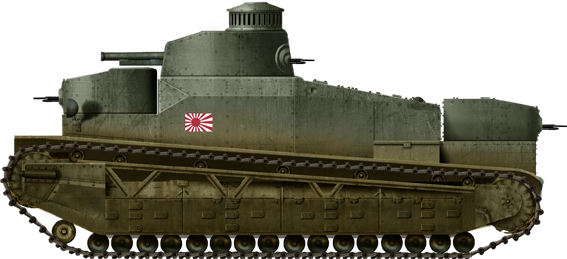
Author's illustration
Sources
Osprey Publishing, New Vanguard #137: Japanese Tanks 1939-1945Delta Publishing, Ground Power #41, Japanese military vehicles of WW2
ikazuchisen.wordpress.com
ja.wikipedia.org/
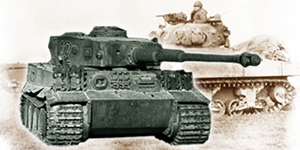
WW2 Tanks


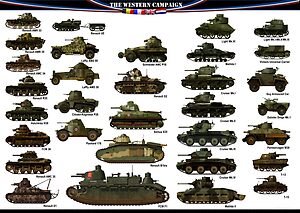
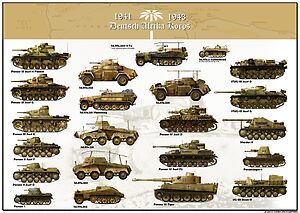
WW2 tanks posters
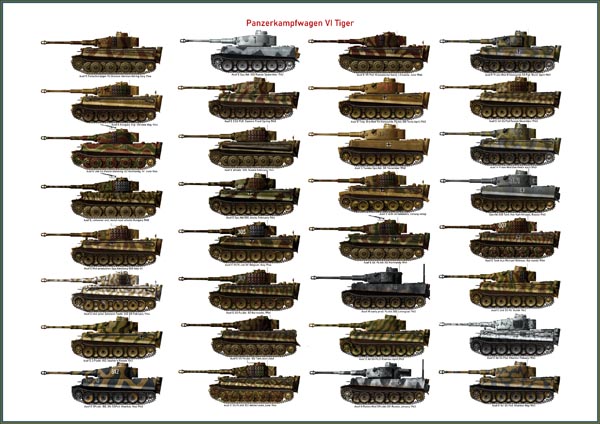
All Tiger tanks liveries.
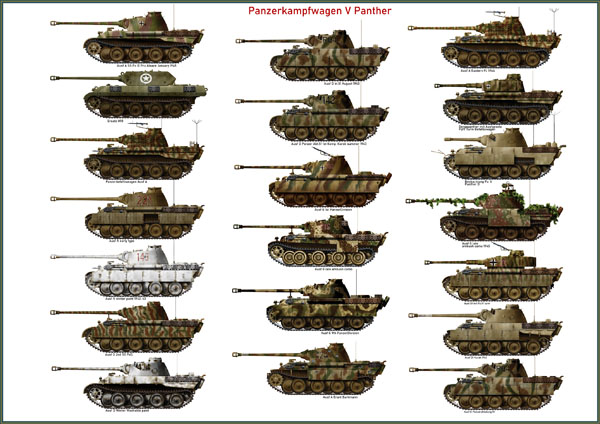
Panther liveries and variants
WW2 Armour - All tanks
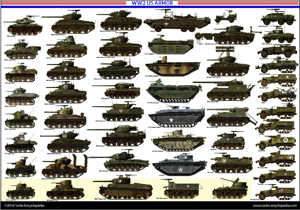
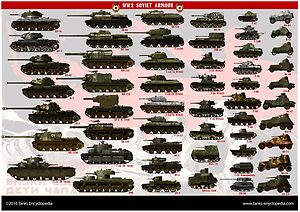
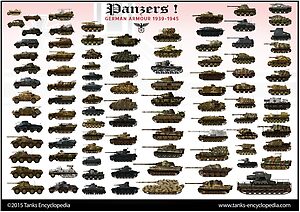
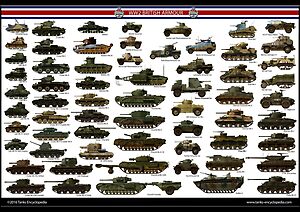

Tanks aces and single tanks series
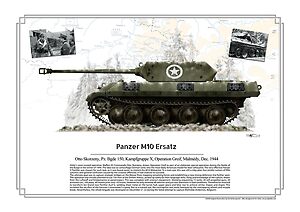
Find more there
Museums, Movies, Books & Games
The Tanks and Armor in pop culture
Tanks and armored vehicles in general are only really grasped when seen first person: The mass, the scale, it's all there. Explore also the way tanks were covered in the movie industry, in books and in video games.Movies:
Best tanks movie on warhistoryonline.com
On imdb.com
On bestsimilar.com/
miltours.com
liveabout.com/
watchmojo.com
Video Games:
pcgamesn.com
historyhit.com
levvvel.com
vg247.com/best-tank-games
mmobomb.com/
alienwarearena.com